The Geometry of Power.
Corporate Modernism defined the mid-century skyline—a sleek, rational, and profoundly influential aesthetic built on logic, efficiency, and glass.
What is the Style?
It is an architectural doctrine where form is dictated by function, resulting in clean lines, unadorned surfaces, and an emphasis on industrial materials. It was the visual signature of the post-war corporate boom.
Simplicity
Rejection of ornamentation. Buildings are simplified to their essential, geometric forms—rectangles and cubes dominate.
Structure
The internal structure is often visible externally, emphasizing steel frames and the grid system of the facade.
Materials
Preference for industrial, machine-made materials: glass, steel, and reinforced concrete, often appearing polished and slick.
The European Roots
Corporate Modernism didn't start in Midtown Manhattan; its philosophical foundations were laid in post-WWI Europe, specifically with the Bauhaus school and the International Style.
- Bauhaus Influence: Walter Gropius and the concept of Gesamtkunstwerk (total work of art), integrating design, craft, and mass production.
- Mies van der Rohe: "Less is More." His work—especially the steel and glass skyscrapers—became the definitive template for the corporate tower.
- Post-War Adoption: As European architects emigrated to the U.S., their rationalist ideals perfectly aligned with the needs and budgets of rapidly expanding American corporations.
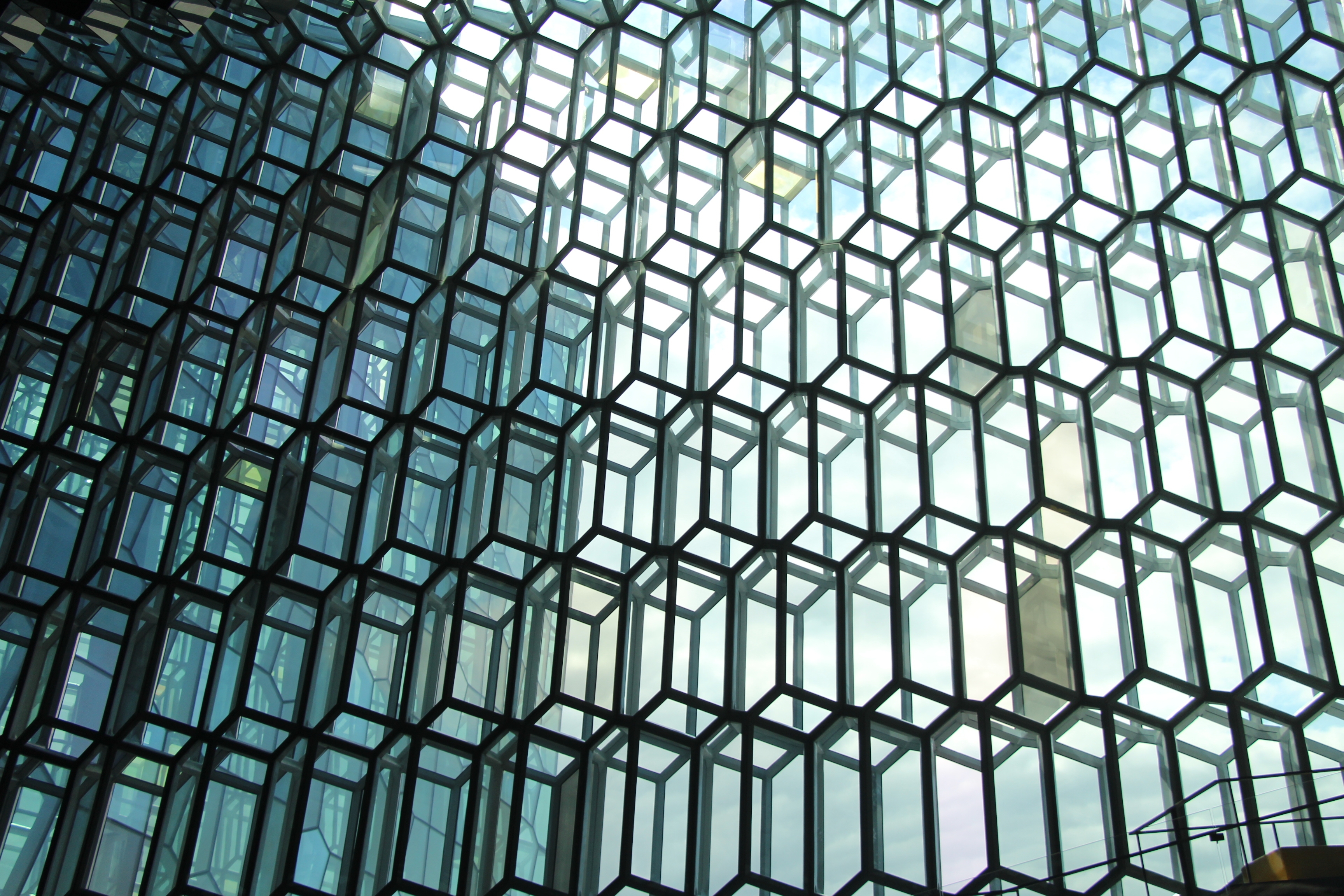
"Architecture must subordinate itself to the needs of the corporation. It must be rational, repeatable, and universally understood."
- The Modernist Mandate
Iconic Corporate Signatures
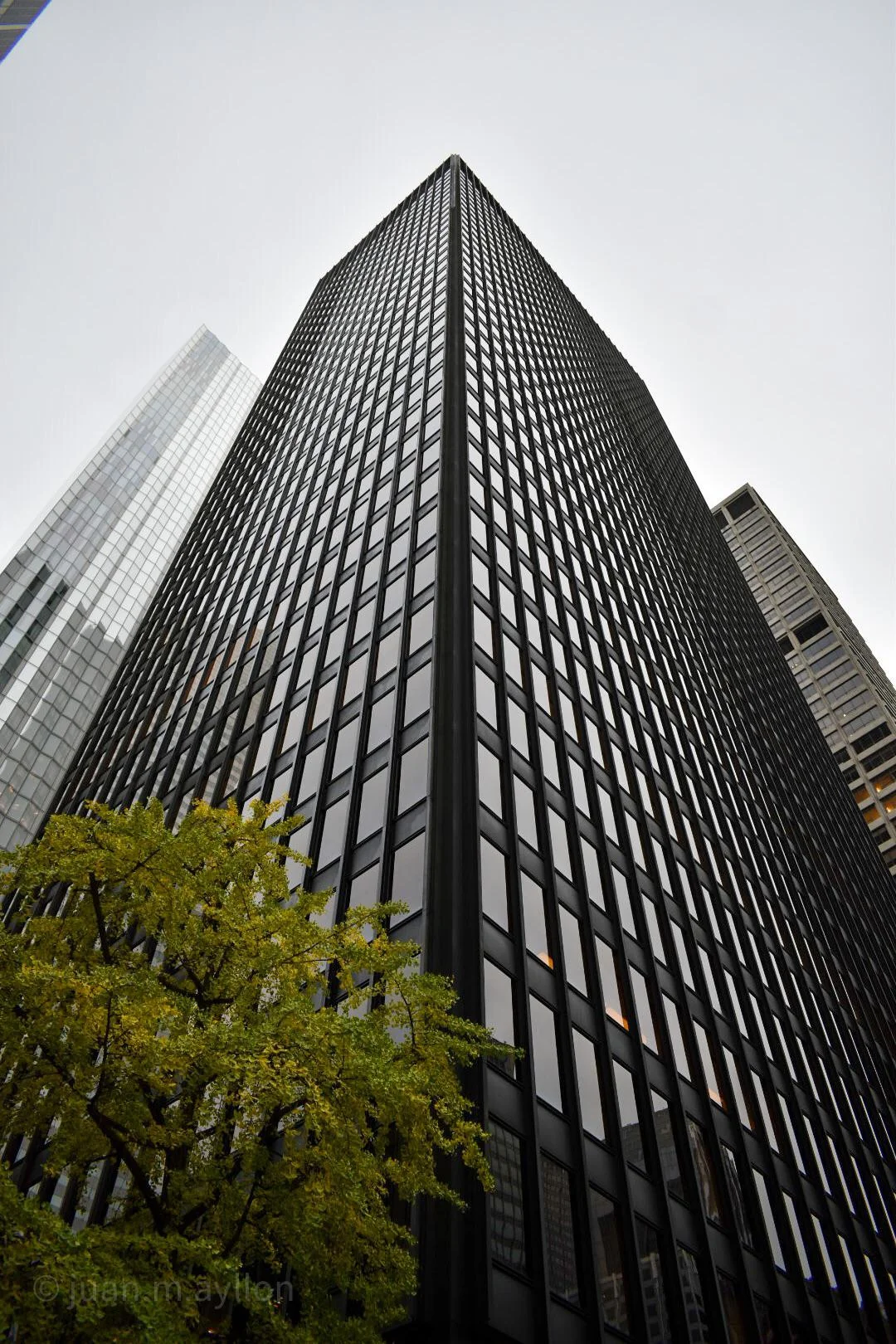
Seagram Building (1958)
New York City, Mies van der Rohe
Perhaps the most refined example. The bronze and dark glass facade established the high-end corporate aesthetic for decades.
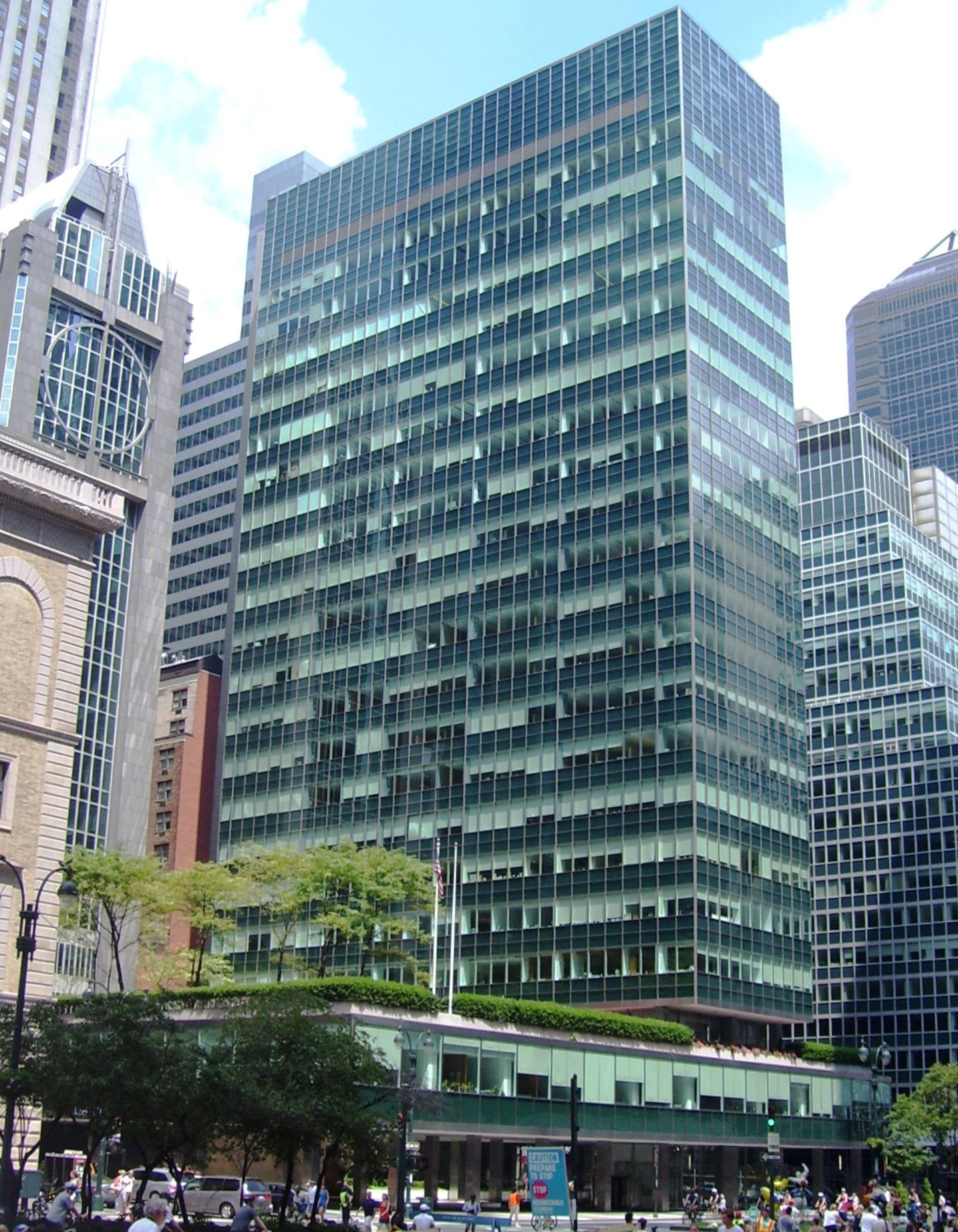
Lever House (1952)
New York City, Skidmore, Owings & Merrill (SOM)
Pioneered the glass curtain wall and an innovative public plaza at ground level, separating the corporate tower from the street.
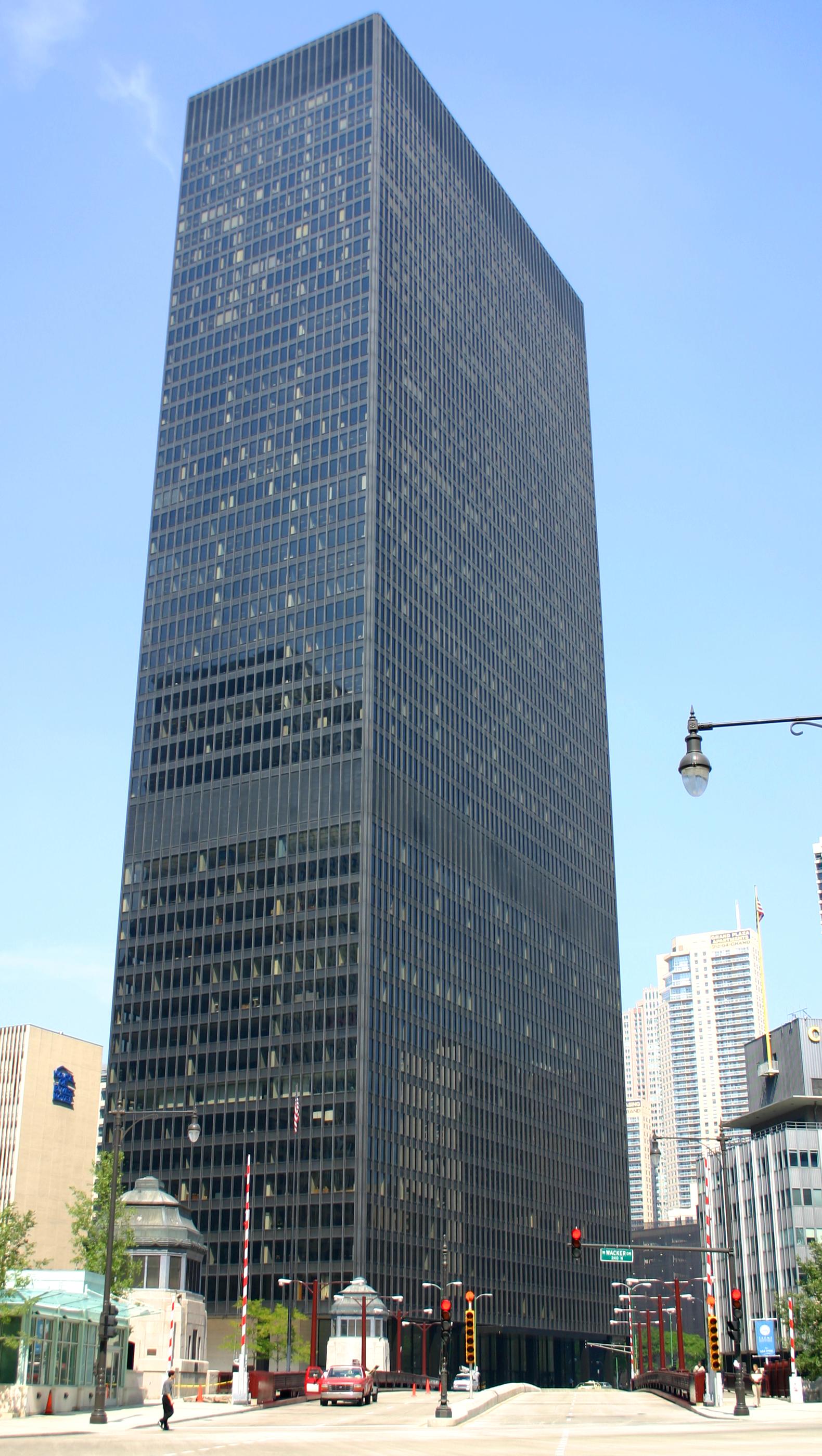
IBM Campuses
Various Locations, Eero Saarinen/Marcel Breuer
Showcased how the style could be adapted from skyscrapers to suburban, low-rise campuses, maintaining geometric precision.
Explore the Legacy
Though often replaced by postmodern and high-tech styles, the principles of Corporate Modernism continue to influence current design and technology aesthetics globally.
© 2025 Corporate Modernism Archive. Design inspired by Rationalist Principles.